Safran Aircraft Engines designs, produces and supports commercial and military aircraft engines. Through CFM International, its 50/50 joint venture with GE Aerospace, it stands among the world’s leading propulsion manufacturers, with the LEAP engine powering the newest generation of single-aisle aircraft.
It shares the ambition of the Safran group: to sustainably change aviation and contribute to a safer world. Altitude 2030, the company’s strategic plan, turns that ambition into action, built around two strategic priorities.
Two strategic priorities to build the world of tomorrow
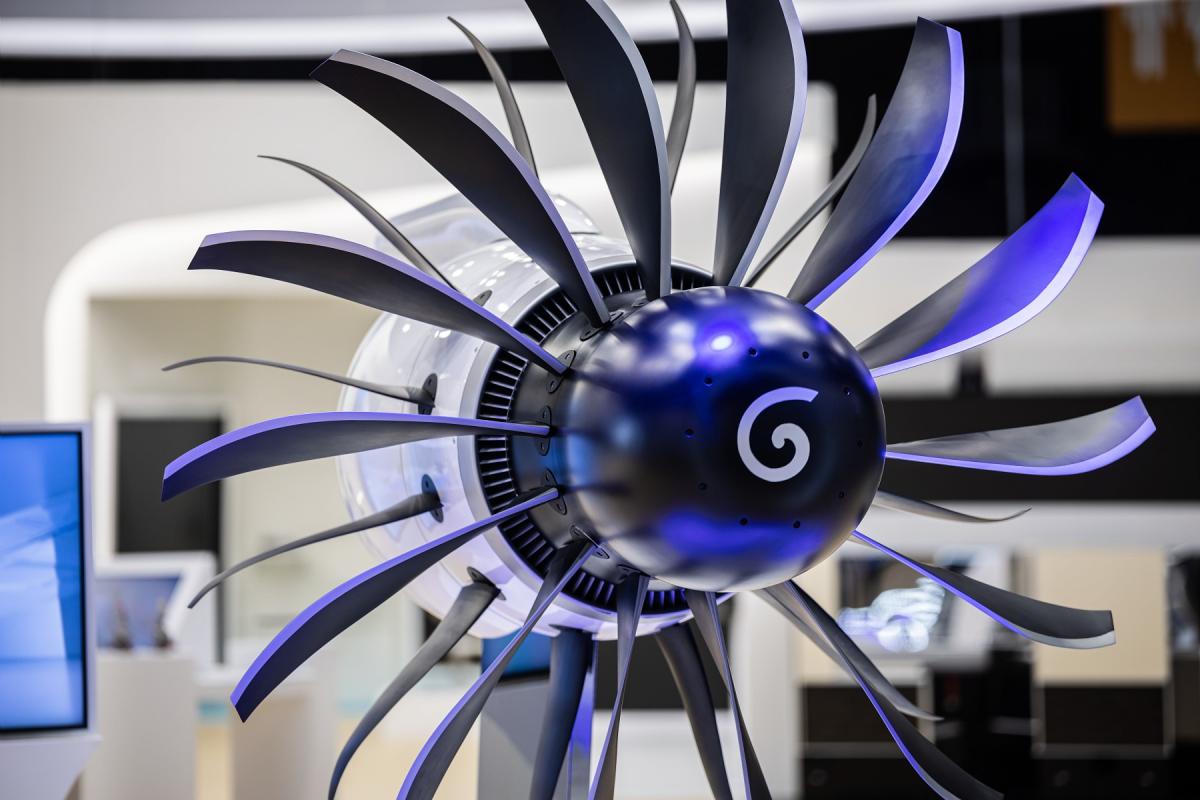
To support aviation decarbonization, Safran is investing in breakthrough R&D: new engine architectures, propulsion electrification, and Sustainable Aviation Fuels (SAFs).
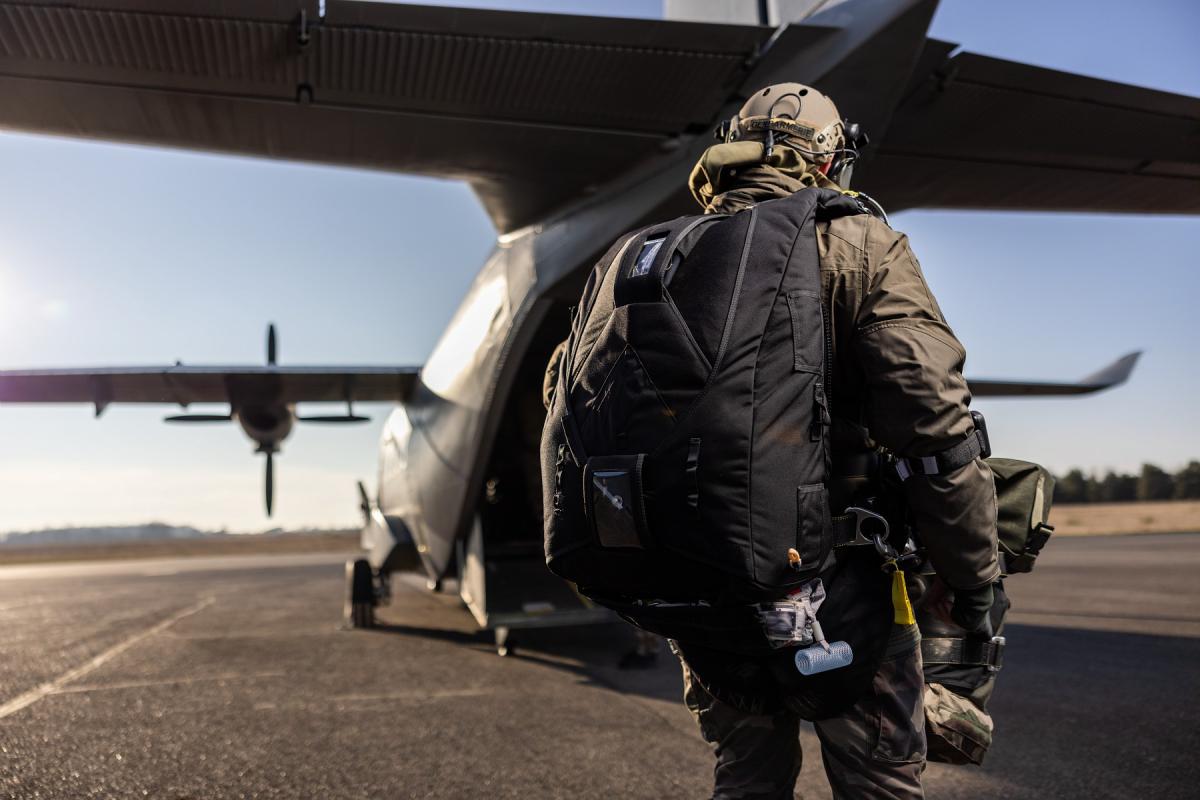
As a world-class defense supplier, Safran designs mission-critical systems for observing, protecting and acting with precision, on land, at sea, in the air and in space, in service of national sovereignty.
Running through the plan is operational excellence, amplified by digital transformation. New digital technologies (artificial intelligence, data management, connectivity, augmented reality, cobots) are already reshaping factories, engineering and services across every site, transforming not only how engines are built but how teams work and serve customers.
“For a high-technology industrial group like ours, digital is a real game changer, a lever for performance and growth.”
How it works
The change at Safran Aircraft Engines did not begin with a company-wide rollout. It began small, with individual teams choosing to try OpenDecide for themselves.
A cycle starts with a 12 minute scan. OpenDecide AI reads how the team actually operates across 28+ scientific factors, applying statistical methods that strip out individual bias and surface the shared patterns driving the team’s results, including dynamics the team had not yet put a name to. This is not a generic language model: it is a specialized AI trained on organizational behavior research and validated against data from 3,500+ real teams.
From there, the AI does the work an external expert would normally do. It prioritizes the root causes worth addressing first, generates the debrief deck that guides the team conversation, and matches each priority to science-based workshops with step-by-step implementation guidance. An always-on AI advisor stays available between sessions for instant insight and action plans built on the team’s own data. Nothing has to be booked and no central program office has to schedule anything, so the team runs the entire loop, from diagnosis to action plan, by itself. Teams restart the cycle each quarter, and most reach the highest effectiveness phase within two to six cycles.
That self-sufficiency is what made adoption travel. Teams talked to neighbouring teams, managers saw their peers getting results, and demand grew from the ground up. Teams across Safran Aircraft Engines are now adopting OpenDecide AI organically, which is exactly what scaling excellence looks like: not a mandate cascaded from the top, but a capability each team wants for itself.
Teams are the foundation of excellence and the place where the future is unlocked. With OpenDecide AI, continuous improvement stops being a program that has to be pushed and becomes a self-driving, self-supporting capability, running at scale in service of Altitude 2030. Equipped this way, teams turn the four goals of Altitude 2030 into everyday practice rather than stated intentions.
For a manufacturer whose engines power flight around the world, reaching Altitude 2030 rests on an organization that scales excellence, team by team, across every métier.